A rug does more than cover a floor. It defines an area, softens sound, adds warmth underfoot and ties the furniture together. It is also one of the easiest places to go wrong, mostly because rugs are expensive and people buy one size too small to save money. Here is how to choose well.
Size comes first
The most common mistake is a rug that floats in the middle of the room with furniture around it rather than on it. This makes a room feel smaller and disconnected. As a rule, buy the largest rug that suits the space and your budget.
Living room
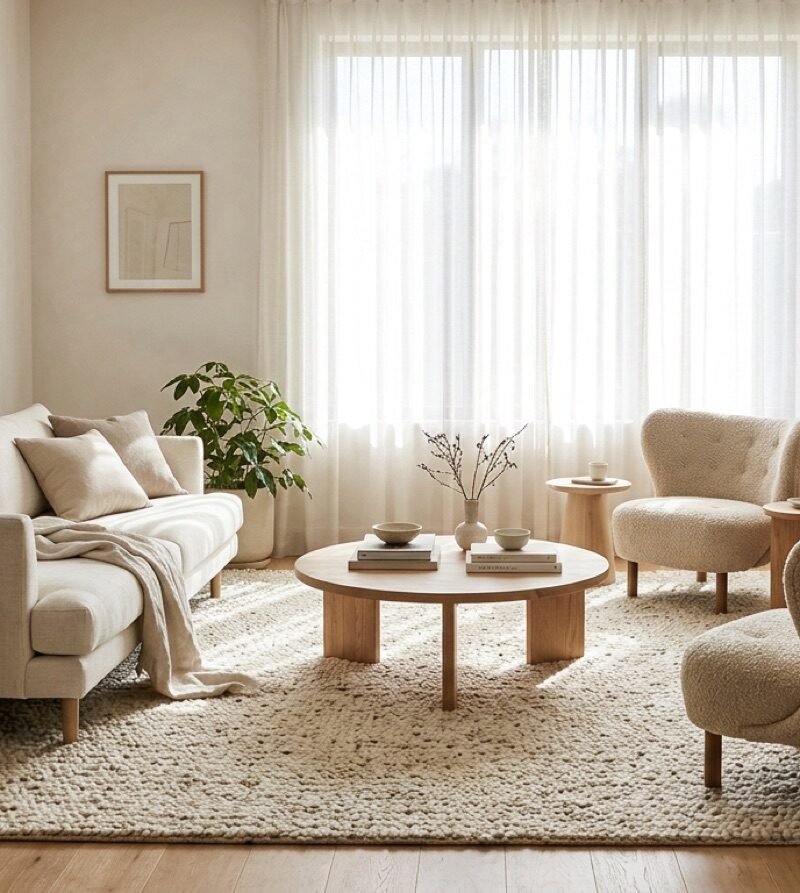
- All legs on: the rug is large enough for all the furniture to sit on it. Luxurious and very unified, needs a big rug.
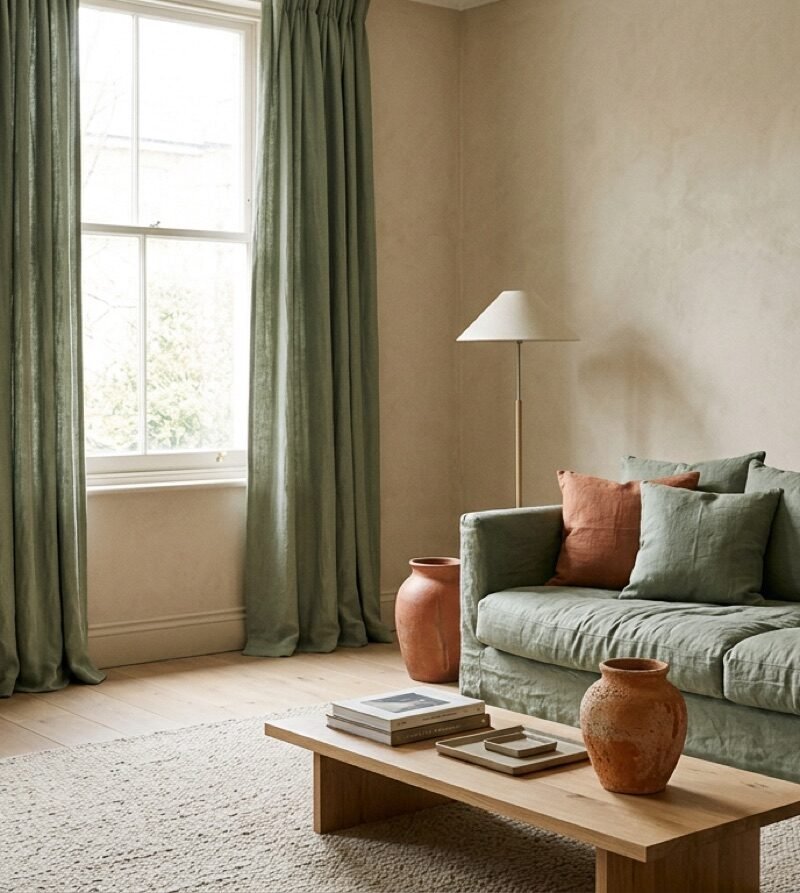
- Front legs on: the front legs of the sofa and chairs rest on the rug, the back legs on the floor. The most popular and practical option.
- Leave a border: keep about 20 to 45 centimetres of bare floor between the rug and the walls, so the room does not look carpeted.
For most living rooms, 200 x 300 centimetres is a good starting point. Larger rooms may need 250 x 350 or more. See how rugs fit into a full layout in our living room layout guide.
Dining room
The rug should extend at least 60 centimetres beyond the table on every side, so chairs stay on the rug when pulled out. Otherwise, chair legs catch on the edge every time someone sits down.
Bedroom
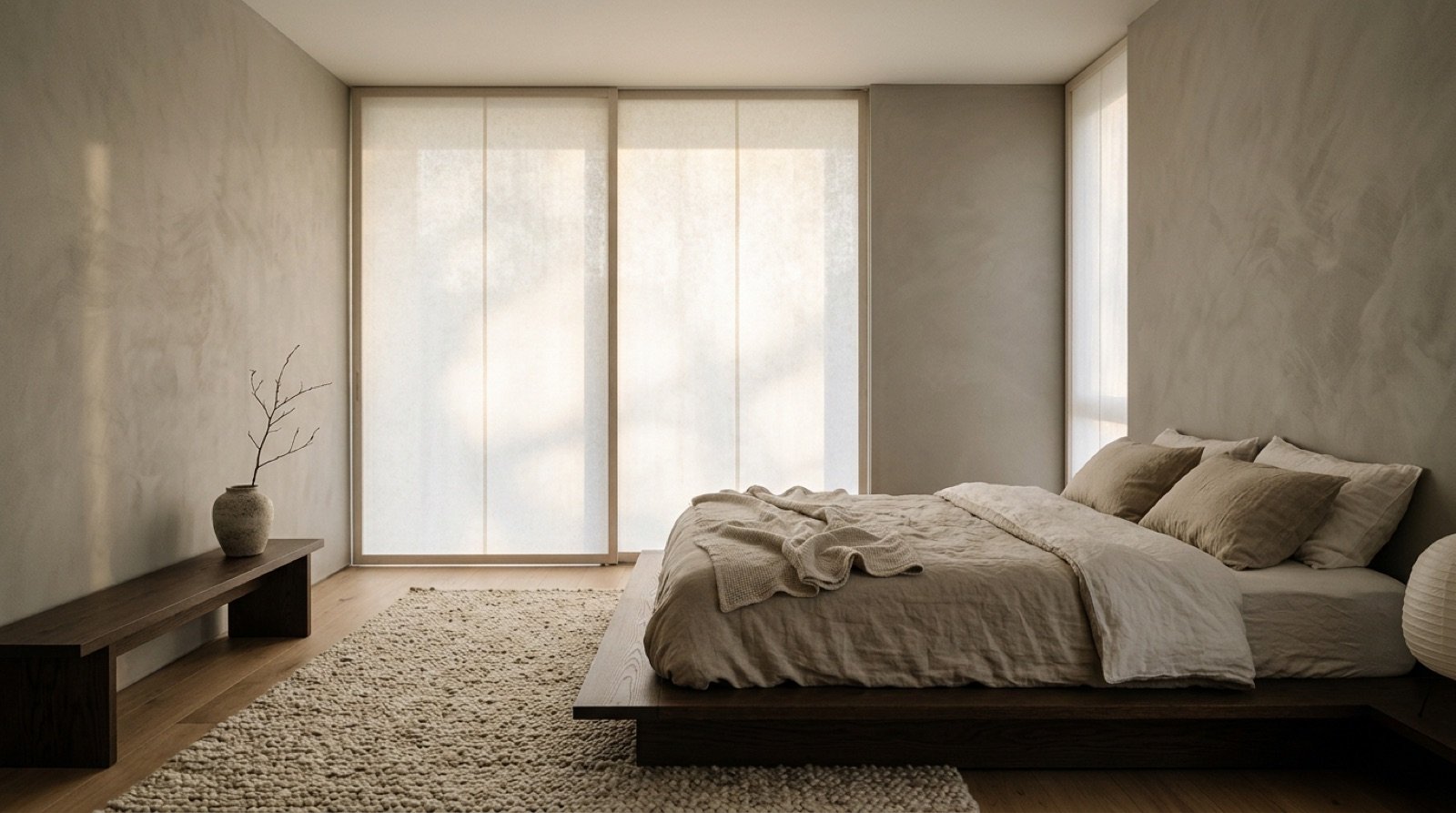
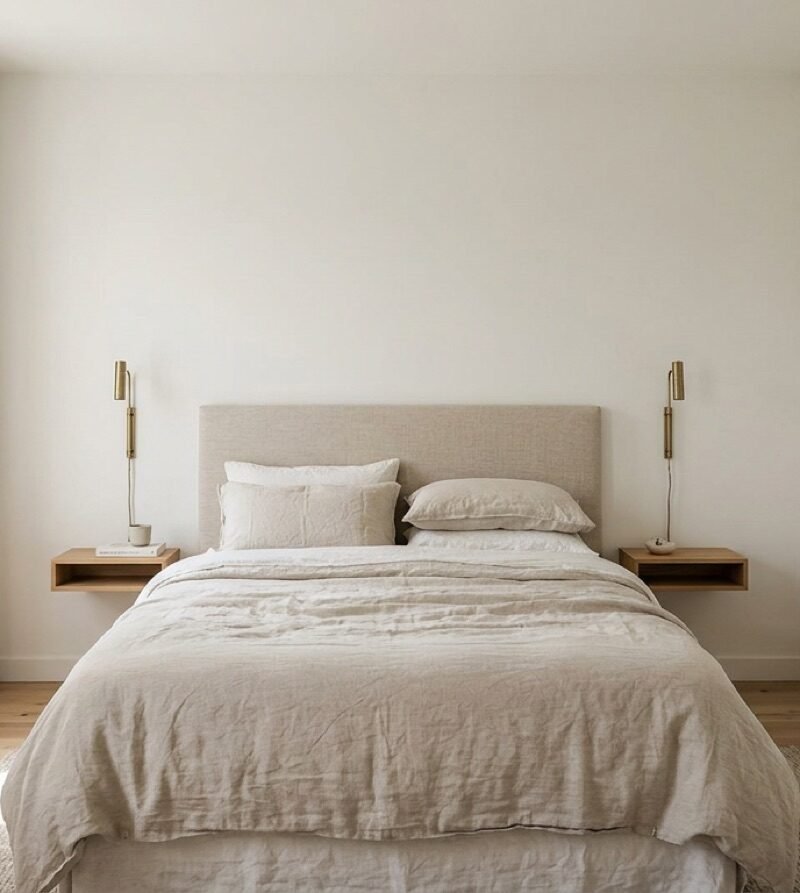
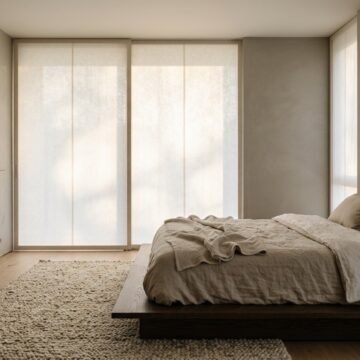
Place a large rug under the lower two-thirds of the bed, leaving the bedside tables on the floor, so you step onto something soft when you get up. Alternatively, use two runners, one on each side of the bed.
Materials compared
Wool
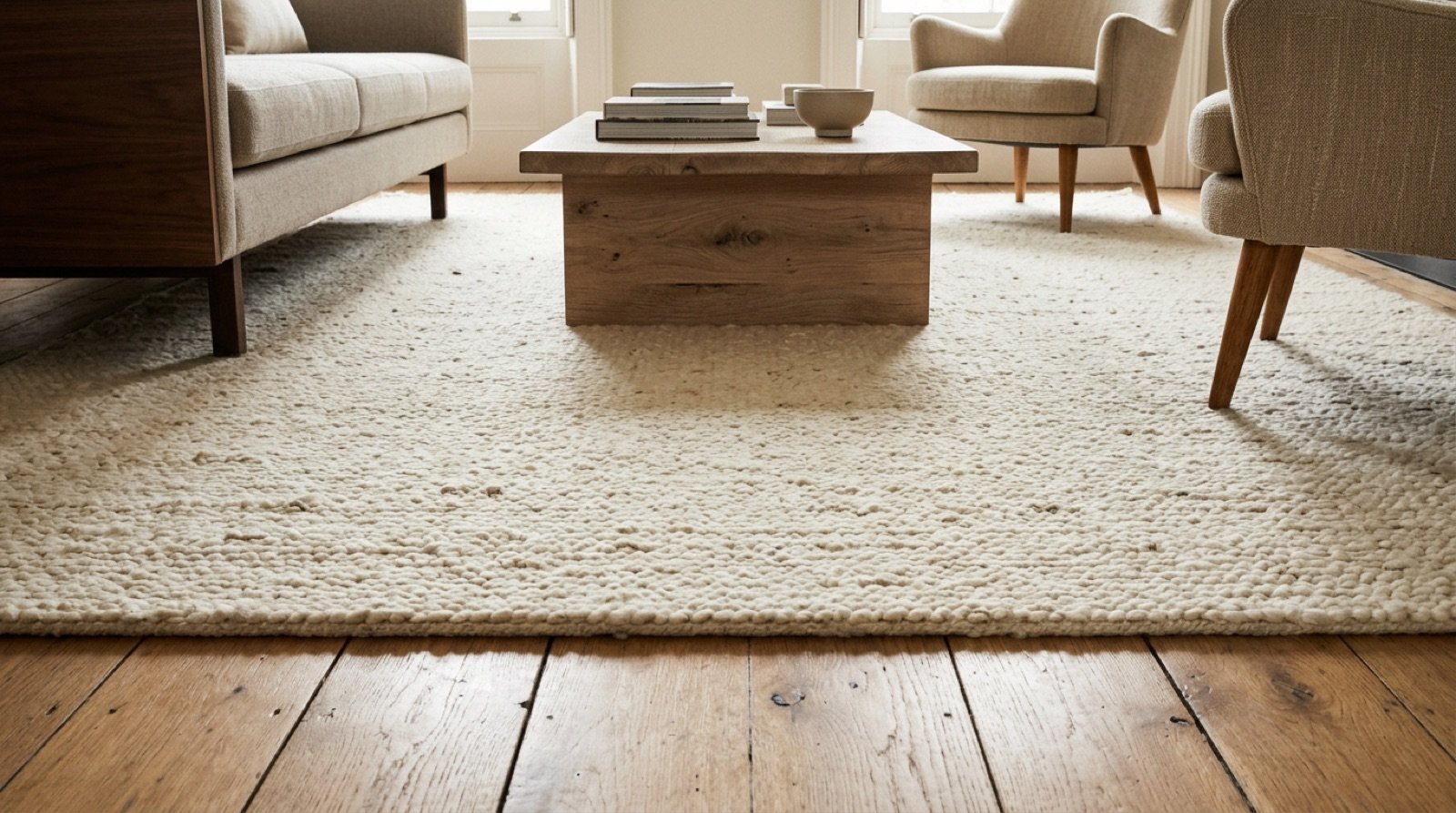
Wool is the classic choice. It is hard-wearing, naturally resists stains and dirt, feels soft underfoot and ages well. It sheds a little at first, which settles down over a few months. A good wool rug can last for decades.
Cotton
Cotton rugs are lighter, cheaper and often washable. They suit kitchens, children’s rooms and casual spaces, but wear out faster than wool and flatten over time.
Jute and sisal
These natural plant fibres have a beautiful, earthy texture and are very durable in busy areas. They can feel rough underfoot and are hard to clean if something is spilled, because water marks them.
Viscose
Viscose has a lovely silky shine and is inexpensive, but it is delicate, marks easily with water and wears quickly. Best kept for low-traffic areas.
Synthetic fibres
Polypropylene and polyester rugs are affordable, stain-resistant and often suitable for outdoor use. They are practical for homes with pets and children, but feel and age less well than natural fibres.
Pile height
A flat-weave or low-pile rug is easy to clean, works under dining tables and does not catch doors. A high-pile or shaggy rug feels soft and cosy but traps dirt and needs more care. For busy areas, low pile is almost always the better choice.
Colour and pattern
A patterned rug hides marks better than a plain one and can bring colour into an otherwise neutral room. A plain or subtly textured rug is calmer and works with patterned sofas or busy rooms. If in doubt, choose a rug that picks up one colour already in the room.
Care
- Use a rug pad underneath. It stops slipping, protects the floor and makes the rug last longer.
- Vacuum regularly, but without the beater bar on delicate or long-pile rugs.
- Rotate the rug every six months so it wears and fades evenly.
- Blot spills straight away, never rub.
A good rug is worth spending on. It sits under everything else, and it is often the piece that makes a room feel finished.