Search for “Scandinavian interior” and you will find thousands of nearly identical rooms: white walls, grey sofa, a monstera plant and a black-framed print. It is a pleasant look, but it is a photograph of the style rather than the style itself. Visit homes in Copenhagen, Stockholm or Oslo and they feel warmer, more personal and more relaxed.
Scandinavian design grew out of practical needs: long dark winters, small apartments, a love of natural materials and a culture that values comfort at home. If you understand those roots, you can use the style in any home without it looking like a catalogue.
Light comes first
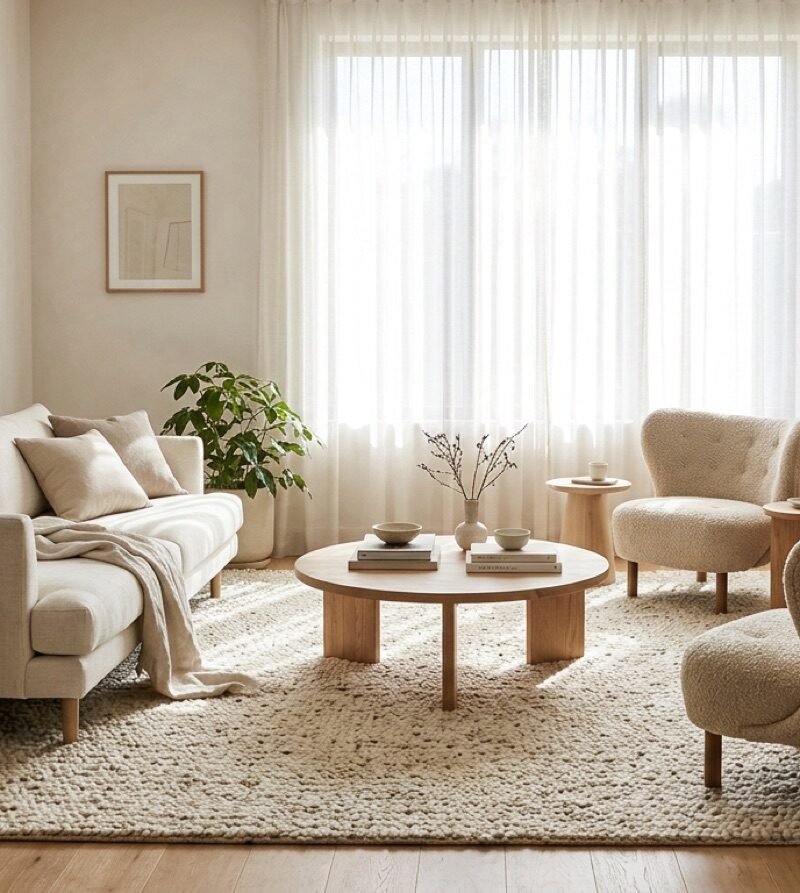
In a region where winter days are short, daylight is precious. Scandinavian rooms are arranged to let in as much of it as possible. Windows are often left bare or dressed in light, sheer fabrics. Walls are pale so light bounces around the room.
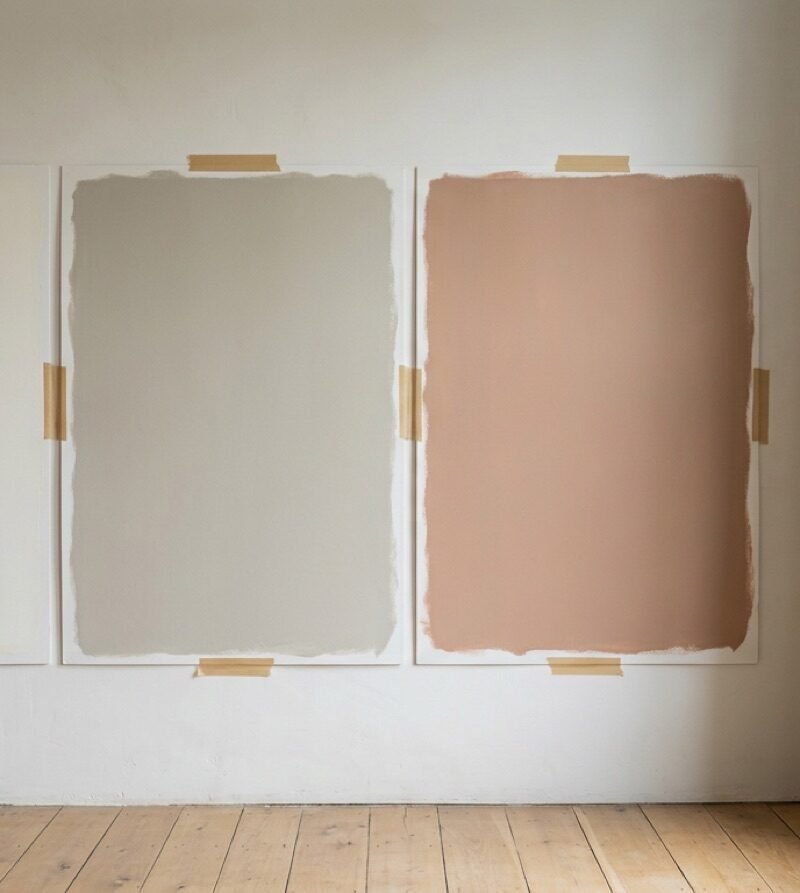
Pale does not have to mean cold white. Warm whites, soft creams and very light greiges do the same job while feeling gentler, especially in north-facing rooms. Our guide to reading the light in a room explains why.
Wood, wool and simple forms
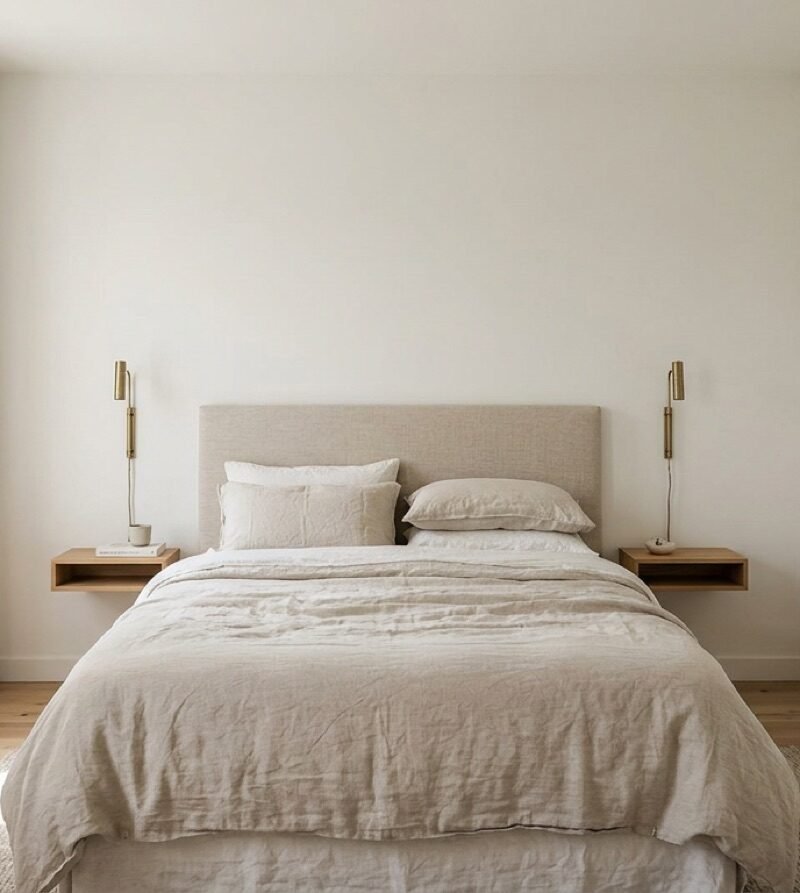
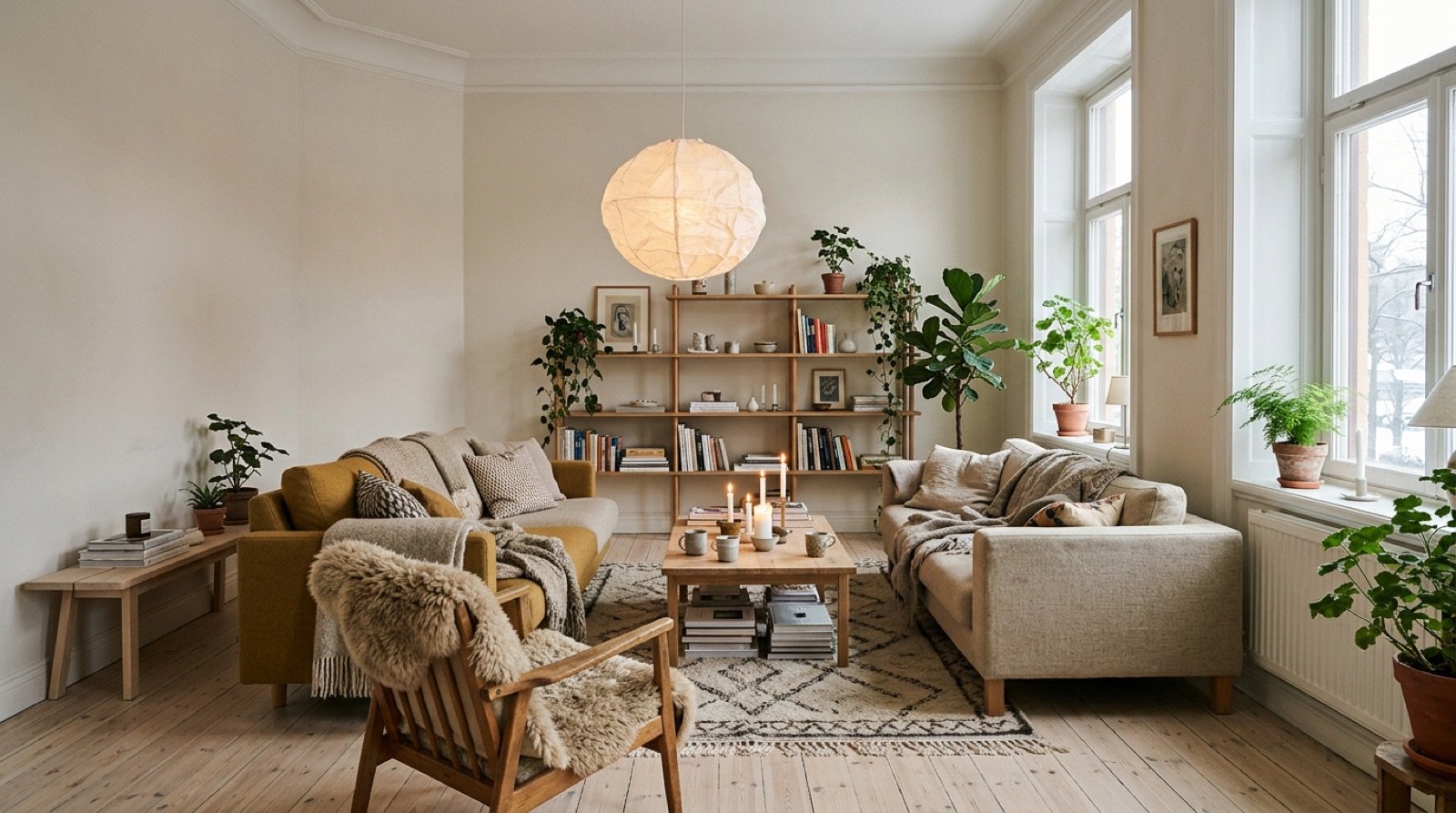
The materials are natural and honest. Light woods such as ash, birch, beech and pale oak appear on floors, furniture and small objects. Wool, linen and sheepskin soften the hard surfaces. Furniture tends to have clean, simple lines, often with gently rounded edges and tapered legs, designed to be comfortable and useful rather than impressive.
The result feels calm because nothing is fighting for attention, but it is never bare. Texture does the work that pattern and colour do in other styles.
Hygge is the missing ingredient
The Danish word hygge is often translated as cosiness, but it means something closer to a feeling of comfort and togetherness. In practical terms, it explains why Scandinavian homes have so many candles, lamps, throws and places to curl up. Rooms are lit with several low lamps rather than one bright ceiling light. There is always a blanket within reach.
This is exactly what the white-box version misses. A room with no warm light and nothing soft to touch looks Scandinavian in a photo and feels like a waiting room in real life.
Colour, used quietly
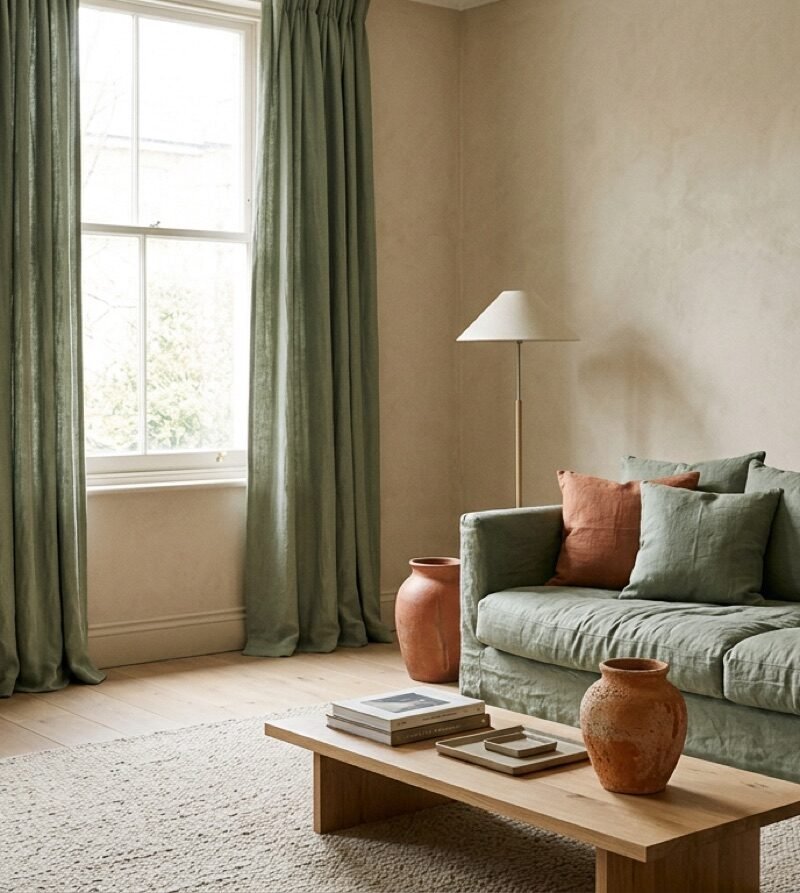
Scandinavian interiors are not colourless. Traditional Swedish homes use soft blues, dusty greens and warm reds. Contemporary Danish homes often include ochre, rust, deep green or plum, usually in textiles, a single painted wall or one strong piece of furniture. The base stays light and natural; the colour comes in smaller doses and in muted, earthy tones.
Practical and personal
Scandinavian homes are designed for real life. There is storage for everything, often built in, so surfaces stay clear. Furniture is chosen to last, and many families keep pieces for generations. At the same time, homes are full of personal things: books, ceramics, children’s drawings, inherited furniture, plants. The calm comes from order, not emptiness.
How to bring it into your home
- Start with warmth: swap cool white bulbs for warm ones, around 2700K, and add two or three lamps at different heights.
- Add texture: a wool rug, a linen throw, a sheepskin on a chair.
- Introduce natural wood: a side table, a bench, a simple shelf. It does not need to match.
- Clear the surfaces: find closed storage for everyday clutter so the things you love have space.
- Choose one quiet colour and repeat it two or three times around the room.
- Bring in plants and something handmade, such as a ceramic bowl or a woven basket.
Scandinavian or Japandi?
Japandi, the blend of Japanese and Scandinavian design, shares the love of natural materials and calm, but it is more minimal and uses darker woods and earthier tones. If you like a little more structure and restraint, read our piece on spatial hierarchy in Japandi interiors. If you prefer something softer and cosier, Scandinavian is probably your style.